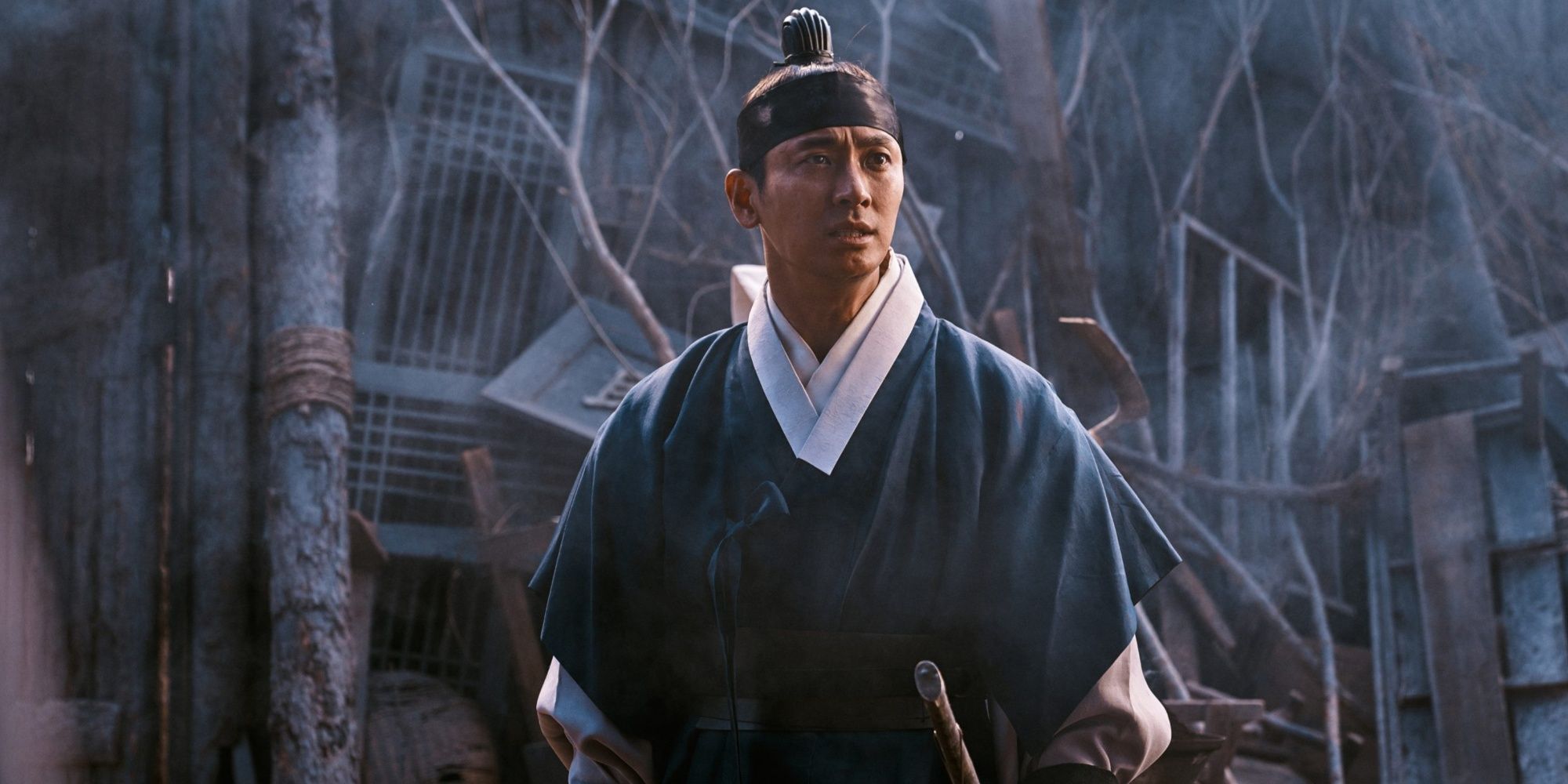
ゾンビのジャンルは 1932 年の映画ホワイト ゾンビに始まり、ジョージ A. ロメロのナイト オブ ザ リビング デッドなどの象徴的なシリーズに影響を与えた映画に起源があります。最初のゾンビ テレビ番組であるゾンビ ハンター: シティ オブ ザ デッドは 2007 年にはあまり人気がありませんでしたが、ウォーキング デッドはすぐにゾンビ テレビの主流となりました。
ゾンビ ショーが最初に成功して以来、優れたものからまあまあなものまで、他にも多くのゾンビ ショーが登場し、ゾンビが現代のポップ カルチャーの定番として確固たる地位を確立しました。しかし、Netflix のキングダムは依然として際立っています。この韓国のシリーズは、典型的なゾンビ発生の物語を追うのではなく、アンデッドと韓国の歴史的な朝鮮時代の政治的混乱を巧みに組み合わせています。 キングダム は、さまざまなジャンルを巧みに組み合わせ、複数のテーマを探求しており、それらすべてが互いに強化しており、おそらく 21 世紀最高のゾンビ シリーズとなっています。
キングダムにはテレビで最も恐ろしいゾンビが登場します
ファンとして、私はゾンビがさまざまな方法で描かれているのを見てきました。ウォーキング デッドのような古典的なゆっくりとした歩行者から、ラスト オブ アスの本当に恐ろしい突然変異した感染者までです。しかし興味深いのは、オール・オブ・アス・アー・デッド、ブラック・サマー、デイブレイクなどの新しい番組も含め、これらすべての番組が現在の世界を舞台にしているということです。別の時代にゾンビの発生がどのようになるのかについては、まだ十分に検討されていないように感じます。
ほとんどの人は、ウイルス、細菌、真菌のいずれによる感染症がどのように機能するかを一般に理解しています。彼らはその背後にある複雑な科学については知らないかもしれませんが、現代医学の基本原理は理解しています。さて、1600 年代初頭に韓国でゾンビの大発生が起こったところを想像してみてください。当時、ほとんどの人は科学ではなく古い信念や迷信に頼っていました。
1601 年のモンスターと呼ばれるキングダムのゾンビは、ゾンビ小説の中で最も恐ろしい生き物の 1 つです。彼らは復活植物と呼ばれる植物に由来しており、この植物には脳を制御して感染の発生を引き起こす寄生虫が潜んでいます。生きた肉への激しい飢えに駆り立てられたこれらのモンスターは、典型的なゾンビよりもはるかに機敏で、長距離にわたって執拗に人間を狩りながら素早く走ったり跳んだりすることができます。
おそらく韓国の人々は、この流行を神からの罰とみなしたのか、あるいは家族が邪悪な生き物に変わっていると信じていたのか、恐怖を感じた可能性が高い。病気がどこから来たのかを心配していなかった人でも、攻撃してくるモンスターに対して自分たちが脆弱であることはわかっていました。彼らの最高の武器はバードガン、つまり昔ながらの韓国式マスケット銃でしたが、一発撃つたびにリロードするのが非常に遅かったのです。大砲も用意されていましたが、重すぎて簡単に移動することができず、城壁や砦を守るためにのみ使用できました。
多くの熟練した戦士が勇敢に戦い、凶暴なモンスターに勝利しましたが、真の武器の専門知識は稀でした。射手は効果を発揮するのに苦労し、一匹の生き物を倒すだけでも多くの矢が必要になることが多く、原始的な技術のため通信と移動は遅くて信頼性がありませんでした。
The relentless horde keeps coming, constantly searching for victims and wearing down the defenders like a flood. These monsters used to rest during the day when the plague first began, but they stopped hibernating as winter arrived. Defeating them isn’t easy—you have to completely destroy the head by beheading, burning, or a precise shot, which is tough given how basic the technology is. Luckily, they aren’t invincible and have a few vulnerabilities.
Fire and water were effective against the monsters, and water could even cure those recently bitten by removing the parasitic worms from their wounds. While a small number of people, like Cho Hak-ju, weren’t infected despite being bitten, these instances were rare. King Lee Yeom, who was bitten as a baby, still carries the worms within him, a mystery Season 3 was intended to solve. However, Netflix hasn’t yet decided whether to renew Kingdom, nor has it officially cancelled the show.
Kingdom Reinvented the Zombie Genre Through Historical Fiction
Look, I get why some folks say this movie didn’t completely redefine zombie films. It didn’t necessarily do anything brand new with the undead themselves, but what really set it apart for me was the incredible historical detail. It wasn’t just about scary zombies; it brilliantly mixed in political tension, social issues, and genuine medieval atmosphere. That’s what elevated it beyond the typical bleak, post-apocalyptic zombie fare we’ve seen so much of – it felt richer and more thought-provoking.
The series takes place in a harsh, traditional society struggling with widespread hunger, political dishonesty, and constant warfare. These problems had already broken down people’s hope and unity before monsters appeared. But the show doesn’t just use this setting as a backdrop; it deeply connects the fears and challenges of the Joseon period to the terrifying zombie world. Everything feels realistic, from the clothes and buildings to the way people fight and speak, all carefully based on historical details.
Screenwriter Kim Eun-hee explained that the monsters in Kingdom represent a ‘plague of hunger,’ meaning the real problem wasn’t a supernatural outbreak, but the extreme inequality in Joseon-era society – a situation she sees mirrored in the world today. The first people to turn into monsters were actually starving and contracted the disease by eating the flesh of someone already infected.
Lee Chang uniquely became king through his own merit, and witnessing the widespread plague transformed him. He saw how issues like greed, corruption, and unfair social structures allowed the disease to spread throughout Joseon. Though he’d always lived a privileged life as royalty, Chang quickly understood his people’s pain, aligning with the compassionate worldview of Eun-hee.
Unlike the humble bravery of Chang, the plague reveals the Joseon nobility to be utterly without shame, destroying any pretense of power or respect. Cho Hak-ju and the Queen consistently use the monsters to strengthen their own positions and those of their allies. However, Hak-ju refrained from a reckless act – unleashing a monstrous horde on the palace – even though it ultimately led to his daughter’s death and infection as a result of her own decisions.
A core idea in Kingdom, as the Queen bluntly put it, is that if she can’t have power, no one can. This message – that the wealthy and influential would rather destroy everything than share – resonated strongly when the show first came out in 2019, and feels even more impactful today in 2026.
South Korean Media Is on the Rise
Korean films and TV shows have become increasingly popular around the world this century, and a common theme in many of the biggest hits is the huge gap between rich and poor. South Korea is dealing with a particularly strong version of this global problem, which is powerfully shown in acclaimed works like Parasite, Squid Game, The Handmaiden, and even older, classic films such as the 1960s’ The Housemaid.
Kingdom is a powerful commentary on class inequality, ranking among the best examples of the genre. Like many zombie stories, it’s less about the zombies themselves and more about the societal breakdown they represent – a theme that feels particularly relevant today. Kingdom excels at delivering this message, successfully blending high-quality television with the thrills of horror and raising the standard for everything it touches.
- USD JPY 予想・見通し・の予想
- CNY JPY 予想・見通し・の予想
- GBP JPY 予想・見通し・の予想
- ジニー&ジョージア州シーズン 4 は、シーズン 3 のゲームを変えるクリフハンガーの後、大幅な制作アップデートを実施
- USD VND 予想・見通し・の予想
- 「プロジェクト ヘイル メアリー」が Amazon Prime Video でストリーミングされる時期
- EUR JPY 予想・見通し・の予想
- 『ザ・チェスナット・マン:かくれんぼ』レビュー – Netflix の最高の犯罪スリラー シリーズの 1 つが絶好調で帰ってくる
- 『サリバンズ・クロッシング』予告編、秘密の夫を巡ってマギーとカルの亀裂をからかう
- 20年の時を経て、スター・ウォーズがついにバーガーキングに帰ってくる
2026-05-18 17:38