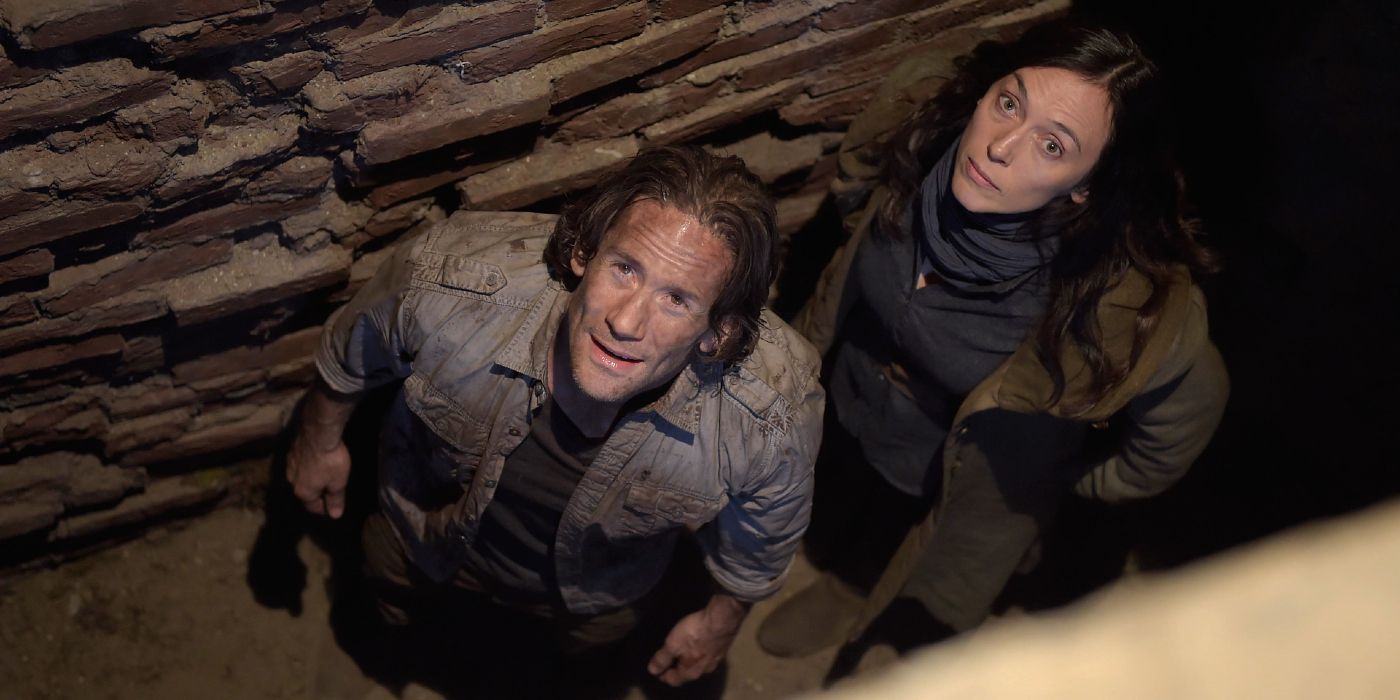
作家兼プロデューサーのロナルド D. ムーアは、スタートレック: ネクスト ジェネレーション や最新版のバトルスター ギャラクティカ などの古典的な番組での仕事で、初めて SF ファンの間で知名度を獲得しました。 バトルスター ギャラクティカ が初めて放送されてから約 10 年後、ムーアは SF とホラーを融合させた新しい番組を SyFy でデビューさせ、彼のクリエイティブな才能の別の側面を披露しました。この新しいシリーズは、彼の通常のスタイルからの変化を表しました。
彼の以前の作品ほどの人気は得られませんでしたが、ヘリックス は、それを見た人にとって、特に野心的な SF ホラー シリーズでした。おそらく視聴者が彼のこれまでの宇宙に関する番組に基づいて何か異なるものを期待していたため、視聴者を見つけるのに苦労しました。これは、当時、暗くてざらざらしたジャンルのテレビの人気が高まっていたという事実にもかかわらずでした。
Ronald D. Moore’s Helix Was Canceled Too Soon
After the initial idea for Helix was created by Cameron Porsandeh and pitched to studios, Ronald D. Moore joined the production team. Porsandeh and Moore then collaborated to develop the concept into a complete series, which eventually aired on SyFy. Because of his previous work, Moore’s involvement brought expectations from science fiction fans.
Compared to his earlier work, this show took a different direction. Though it started with science fiction ideas, Helix quickly became more of a horror story, building suspense and a sense of unease. This change probably surprised many viewers when it first came out. The first season is largely set in a remote research facility in the Arctic, which perfectly creates a feeling of being trapped and struggling to survive.
The atmosphere of Helix is reminiscent of other isolated settings. The environment plays a crucial role in creating tension, with the harsh, cold weather cutting off the research facility from the outside world. A team from the CDC is dispatched to investigate a possible viral outbreak. Upon arrival, it quickly becomes apparent that the facility’s director, Dr. Hiroshi Hatake (played by Hiroyuki Sanada), is hiding something.
Dr. Alan Farragut is heading the investigation, made even more difficult by the fact that his brother is the first person infected. This personal connection creates tension beyond a typical doctor-patient situation. Adding to the complexity, Dr. Julia Walker, Dr. Farragut’s ex-wife, is also on the CDC team. These strained relationships create an uncomfortable and tense atmosphere at the facility even before the real crisis begins.
Initially starting with a viral outbreak, Helix quickly delves into a much larger story involving global conspiracies, individuals who can’t die, and secretive groups. By season two, the conflict has moved beyond the isolated Arctic base where it began. Some viewers find this expansion makes the show even more compelling, while others feel it becomes overly complex and loses the tense, confined atmosphere of the first season.
Helix Never Had the Chance to Deliver on Its Dark Sci-Fi Ambitions
Though Ronald D. Moore is a well-respected creator, the show Helix unexpectedly leaned heavily into horror. Some viewers who started watching early felt the show’s complex backstory developed too quickly. Even with its flaws, Helix had potential and deserved a longer run to fully explore its ideas.
After two seasons, the show was cancelled. This came as a disappointment to fans who felt the story was just starting to explore its potential. Now, many questions will remain unanswered, and plotlines will never be resolved. The unexpected cancellation has left Helix largely forgotten, despite its initial promise within the science fiction genre.
- USD JPY 予想・見通し・の予想
- CNY JPY 予想・見通し・の予想
- GBP JPY 予想・見通し・の予想
- EUR JPY 予想・見通し・の予想
- USD VND 予想・見通し・の予想
- ジニー&ジョージア州シーズン 4 は、シーズン 3 のゲームを変えるクリフハンガーの後、大幅な制作アップデートを実施
- モデルOpenRouterの認証中のエラー:Anthropic/Claude-3-Sonnet:Puter.js APIによって制限されたレート。 60秒後に再試行してください。
- 『サリバンズ・クロッシング』予告編、秘密の夫を巡ってマギーとカルの亀裂をからかう
- 『ザ・チェスナット・マン:かくれんぼ』レビュー – Netflix の最高の犯罪スリラー シリーズの 1 つが絶好調で帰ってくる
- 「プロジェクト ヘイル メアリー」が Amazon Prime Video でストリーミングされる時期
2026-05-20 18:12