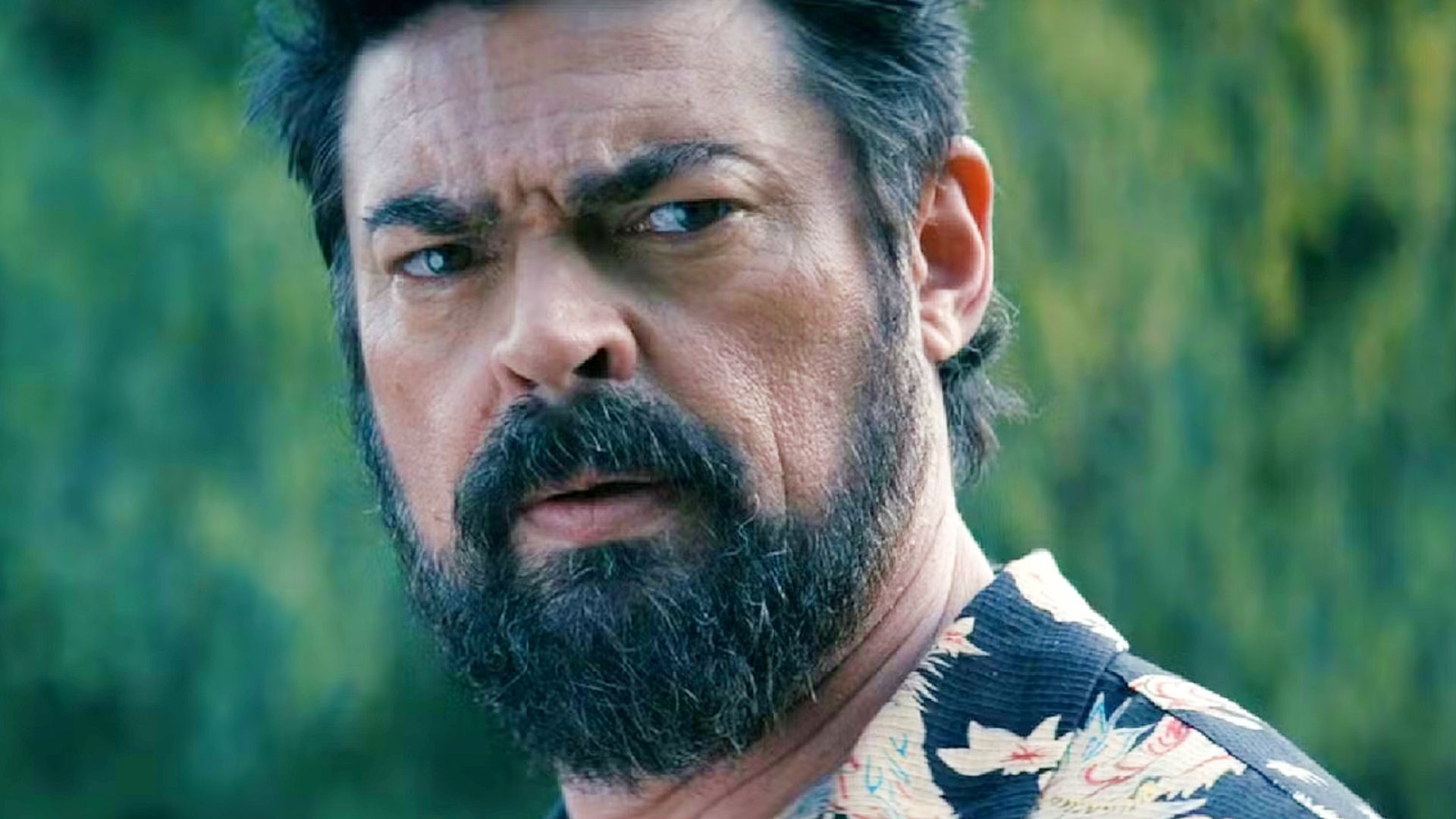
注意してください: これには、ザ・ボーイズの最終エピソードと原作コミックのネタバレが含まれています。ブッチャー、ヒューイ、スターライト、ホームランダーの物語は終わり、フィナーレでは主要な登場人物の死と、すべてを変える驚くべき展開が描かれました。
ザ・ボーイズの結末は誰もが納得しませんでした。一部の視聴者は、ホームランダーの運命、ブッチャーの悪役への変身、新しいスピンオフシリーズにとって不必要な設定であると考えるなど、いくつかの側面を批判しました。

興味深いことに、このシリーズのクリエイターの一人であるガース・エニスは、放映される7年前にエンディングの特定の部分を「史上最悪のアイデアだ!」と批判していた。
少年たちはいかにしてホームランダーを殺したのか

「Blood and Bone」 というタイトルのザ・ボーイズの最終エピソードは、2 つの大きな戦いを中心にしています。 1つ目では、ブッチャー、キミコ、ライアンがホームランダーと戦い、最終的にホームランダーから力を剥奪され、シリーズを通して当然の残酷で恥ずかしい敗北を喫します。
キミコは放射線を使ってスペの能力を奪う力を手に入れ、それを使ってホームランダーを無力化し、彼の力を剥奪する。ライアンはホームランダーの逃走を阻止し、ブッチャーはバールで最後の一撃を加える。その後、物語はハッピーエンドのように見える方向に進みますが、その本当の結末はまだ不確かです。
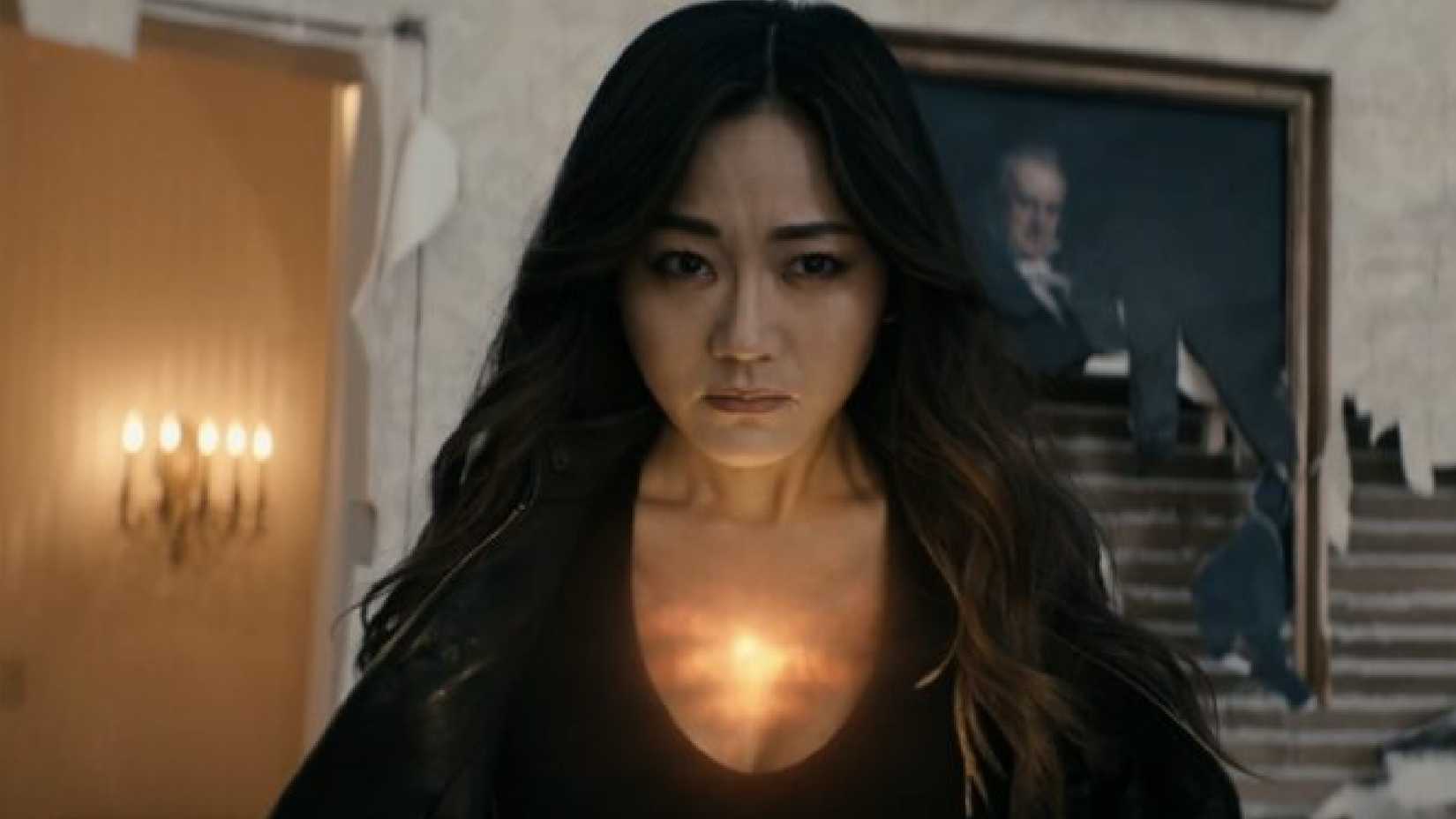
ライアンに拒絶され、未来がないと感じたブッチャーは、スペたちを全員殺すことを決意する。これはヒューイとの対決につながり、ヒューイはブッチャーの兄弟とのつながりと思い出によって最終的にブッチャーを殺すことに成功する。
このエピソードは、さらにいくつかの予期せぬ展開と、今後の前日譚シリーズであるヴォート ライジングのストーリー展開のヒントで終わります。しかし、大きな疑問は、番組のクリエイターの一人が、公開前からこのエピソードの具体的にどの部分を嫌っていたのかということです。
ボーイズのクリエイターがパワーを失ったスーパーを非難した理由

ザ・ボーイズのファンは、このシリーズがガース・エニスとダリック・ロバートソンによるコミック本として始まったことを知っています。この番組は原作コミックからストーリーを大きく変更したが、フィナーレでは最終的に各キャラクターに原作で予定されていたものと同様の結末を与えた。興味深いことに、番組のエンディングは、コミックが最初に提案されたときに最初に拒否されたアイデアにも依存していました。
2019 年、ダイナマイトはボーナス素材を備えたオムニバス版としてザ・ボーイズの新しいコレクションを出版しました。これらのエキストラの中には、ガース・エニスの最初のシリーズ案が含まれており、これには物語が最終的に彼の当初の計画とどのように異なったかについてのメモが含まれていました。カットされた主なアイデアは、ブッチャーのチームがスーパーパワーのスーパーパワーを除去できるというものでした。
ザ・ボーイズの真の強さは、5 人全員が揃ったときにのみ現れます。彼らが摂取した血清の副作用であるこの能力は、集中力を高めることで他人の超能力を打ち消すことができます。彼らはただターゲットの周りに集まり、集中し、瞬時に通常の人間のレベルにまで低下させます。これは、魔法の能力が無効になり、超高速が失われ、神さえも無力になることを意味します。
エニスはほぼすぐにそのアイデアを破棄し、コミックには含めませんでした。代わりに、彼はブッチャーのチームにわずかなスーパーパワーを与えた。典型的なスーパーヒーローを扱うには十分だが、ホームランダーほど強力な人物を倒すには十分ではなかった。
エニスはザ・ボーイズからスペスの権限を取り除くという決定に強く反対しており、メモの中で反対意見を明確にし、次のように書いています。
**** 私は堅いです。次は、輪になって立ち、彼らの目から愛の光線を放ちましょう?
イエス!
番組の最初の欠陥のあるコンセプトにもかかわらず、ザ・ボーイズのアクションは超大国に焦点を当てるべきではないことがすぐにわかりました。むしろ、それは残忍な現実世界の戦いのように感じられるべきです。午前 2 時にバーの外に飛び出されるような、多勢に無勢で無力で完全に圧倒されるようなものです。それは、驚くほど不公平で残忍な効果をもたらす暴力である必要がありました。
TVシリーズでは、原作コミックのコンセプトであるスーパーヒーローの力を剥奪するというコンセプトを再考しただけでなく、キミコは実際に光線を使ってこれを実現している。 ザ・ボーイズのショーランナーであるエリック・クリプキは、漫画原作者のガース・エニスがかつて「最悪のアイデア」と呼んだこのアイデアが、本当に満足のいく結論への鍵であると信じていたようです。
How The Boys‘ Comic Ending Differed from the TV Show

If the comic book version of The Boys doesn’t strip Homelander of his powers, the story still reaches a similar conclusion. However, a key difference is that the comics reveal Black Noir to be a clone of Homelander, specifically created to eliminate him if he ever threatens Vought.
Frustrated by his failure, Black Noir intentionally provokes Homelander, ultimately leading to Homelander’s attempt to take over the United States. Black Noir manages to kill Homelander in the Oval Office, but is severely wounded in the process. After being heavily attacked by the army, Butcher is finally able to kill Black Noir with a crowbar, fulfilling his desire for revenge for his wife’s death.

Homelander’s death in the comics is actually more humiliating than what happened on screen. It turns out he wasn’t even the main villain – his turn to evil was just a result of someone else’s scheme. Instead of a heroic final battle, he’s simply ripped apart while throwing a fit.
If Ryan hadn’t been part of the story, Butcher would have pursued his original plan: eliminating all Supes, a goal he’d been working towards since the team first formed. This would have meant killing everyone in The Boys, leaving only Hughie alive. However, Hughie doesn’t defeat Butcher with violence. Instead, he accidentally falls from the Empire State Building while struggling with him, and Butcher instinctively dives to save Hughie, sacrificing himself in the process – essentially acting as a protective older brother.

At its heart, the comic explores how goodness and skill work together. It suggests that being decent without being capable, or capable without being decent, is either useless or harmful.
Was Garth Ennis Right About The Boys’ Ending?
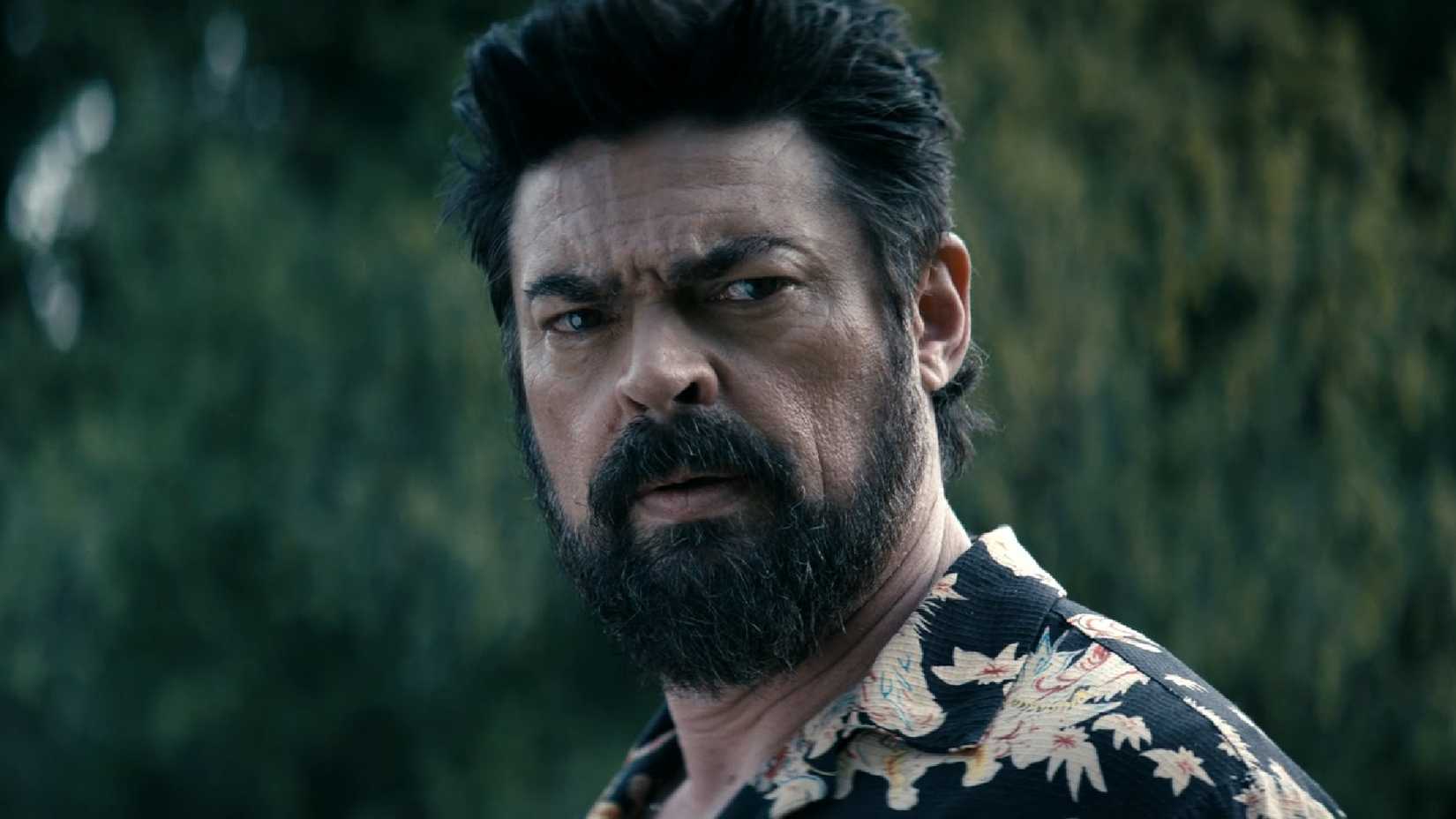
Considering everything, and knowing Ennis disliked a concept Kripke liked, does the comic book’s ending work better than the TV show’s? Was the show misguided in introducing the idea of weakening superheroes, and then making its final episode about taking away Homelander’s powers?
Although the comic and TV show versions of The Boys share some connections and similar conclusions, they ultimately aim to achieve different goals. The original comic was a harsh critique of the superhero genre, fueled by a real dislike for it. Because the comic actively rejected superhero tropes, it didn’t make sense to include the common idea of negating superpowers – something already frequently seen in the media it was criticizing.

Unlike the original source material, the TV show doesn’t focus on making fun of superhero stories. Instead, it uses the look and feel of superheroes to critique celebrity life, politics, and dishonest business practices. Kimiko’s ability to negate superpowers fits perfectly into this approach, as it supports the show’s main ideas.
Homelander Is One of the Biggest TV/Comic Differences in The Boys

Let’s talk about Homelander. The TV show’s version is quite different from the comic book character. In the comics, Homelander isn’t as frightening or relatable. He’s powerful, yes, but also portrayed as silly, small-minded, and basically like a teenage bully.
The TV series presented Antony Starr’s Homelander as a particularly captivating villain, delving into his troubled past and psychological issues. By removing the surprise reveal about Black Noir, the show firmly established Homelander as the primary antagonist.
I always thought killing Homelander off quickly like they did in the comics would have been a mistake. Antony Starr just owns that role, and it would have felt so disappointing if they’d just gotten rid of him that easily. The way Kimiko’s powers worked against him was perfect, though. It gave us a really satisfying way to see him finally get what he deserved, and honestly, it felt crucial for the show to work.
Did The Boys Make a Mistake? Our Final Verdict

It’s funny how the TV show The Boys actually used a concept the original creator thought was terrible. Despite that, it turned out to be a surprisingly good decision.
The TV adaptation of The Boys wasn’t just different in how it told the story; it also explored different ideas and aimed its humor at different targets. Although the creator of the comic book, Garth Ennis, feels a certain plot point wouldn’t have worked in the original series, it fit well in the show. And while some fans disliked the final episode, this particular change isn’t one of their biggest complaints.
- USD JPY 予想・見通し・の予想
- GBP JPY 予想・見通し・の予想
- CNY JPY 予想・見通し・の予想
- EUR JPY 予想・見通し・の予想
- BTC 予想・見通し・の予想. BTC 暗号通貨
- モデルOpenRouterの認証中のエラー:Anthropic/Claude-3-Sonnet:Puter.js APIによって制限されたレート。 60秒後に再試行してください。
- USD VND 予想・見通し・の予想
- USD CNY 予想・見通し・の予想
- 『ザ・チェスナット・マン:かくれんぼ』レビュー – Netflix の最高の犯罪スリラー シリーズの 1 つが絶好調で帰ってくる
- オフキャンパス シーズン 2: 確認、ストーリー、および私たちが知っていることすべて
2026-05-23 16:11